

A Very Good Prompt
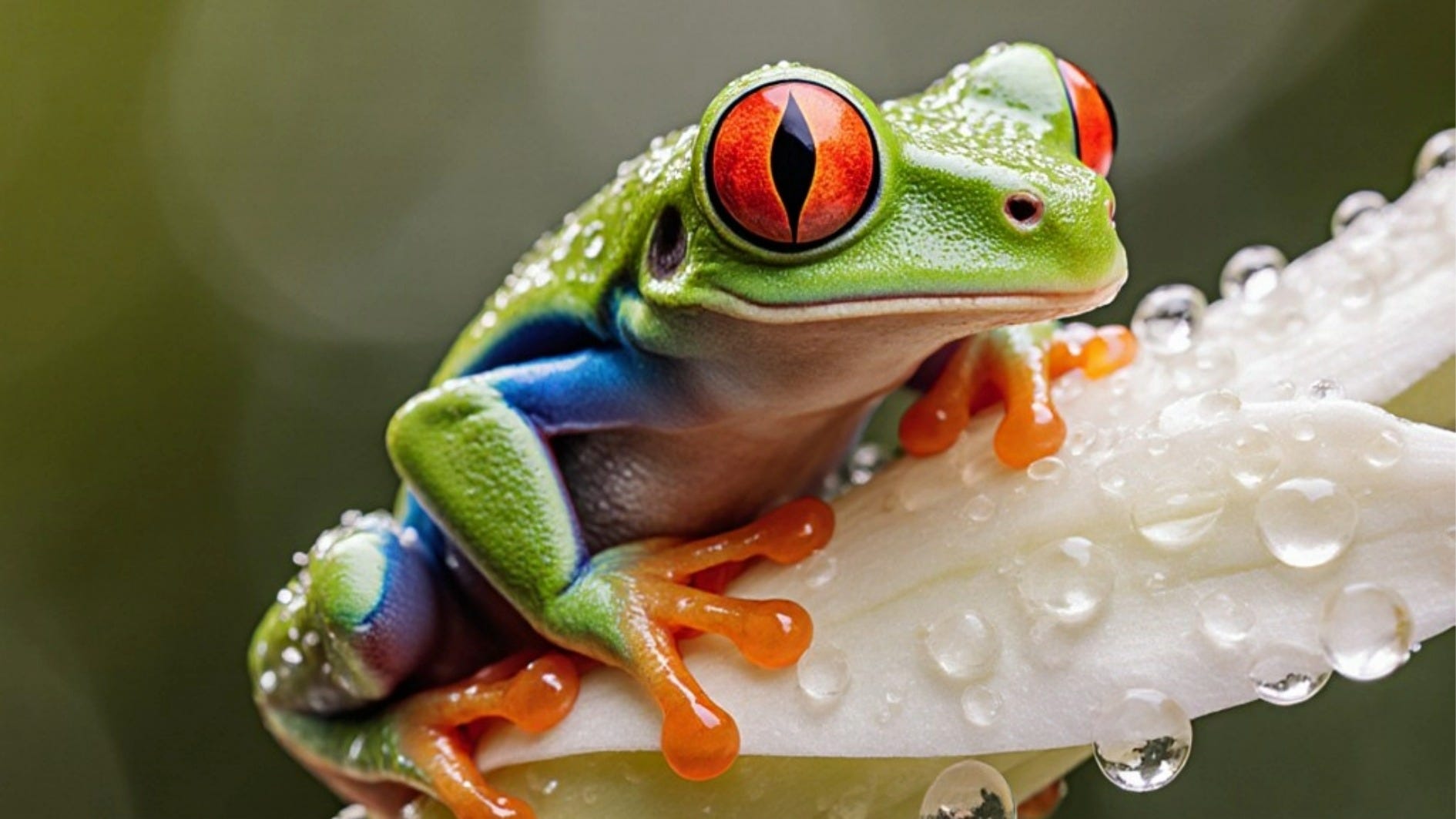
Ultra-detailed macro photograph, a tiny, vibrant red-eyed tree frog clinging to a wet tropical flower. Glistening morning dew drops on petals and the frog’s skin. Extreme close-up with a shallow depth of field and creamy bokeh background. National Geographic photography style, photorealistic. Soft diffused morning light, specular highlights on water droplets. Tack-sharp focus on the eye, with vibrant, saturated colours.
Why it works
Style and Medium: “Ultra-detailed macro photograph, National Geographic style” anchors the image in professional nature photography.
Subject: “Tiny vibrant red-eyed tree frog” gives specificity, charisma, and focus.
Supporting Details: “Wet tropical flower, dew drops, shallow depth of field, creamy bokeh” build atmosphere.
Lighting & Quality: “Soft diffused light, specular highlights, tack sharp focus” ensures realism and polish.
By layering style + subject + details + lighting, this prompt achieves a photorealistic result that feels like it belongs in a nature magazine.
A little background on macro and wildlife photography
Macro photography
Refers to extreme close-up images, usually of tiny subjects, where the subject is captured at life-size (1:1) or larger magnification. (Britannica)
Popular for documenting insects, plants, and small amphibians, since it reveals fine detail invisible to the naked eye.
National Geographic style
Known for its documentary realism, dramatic composition, and storytelling through imagery.
A hallmark of its style is the use of available natural light, deep colours, and sharp subject focus, contrasted with blurred backgrounds.
Why frogs are popular macro subjects
The red-eyed tree frog (Agalychnis callidryas) is iconic in wildlife photography due to its striking colours and expressive eyes.
Their habitats in humid rainforests naturally provide dew, wet petals, and saturated tones, all of which enhance visual storytelling.
Photorealism in prompting
Using terms like “photorealistic,” “macro,” “tack sharp,” and “shallow depth of field” helps AI simulate the precision and visual language of real photography.
Takeaway
Prompts that borrow from professional photography genres (macro, portrait, street, landscape) anchor your images in realism. By specifying style, subject, setting, details, and light, you can guide AI toward results that feel like editorial spreads or field photographs.